CLK Supplies Case Study
A wholesale fashion website has a different job from a standard consumer store.
Project overview
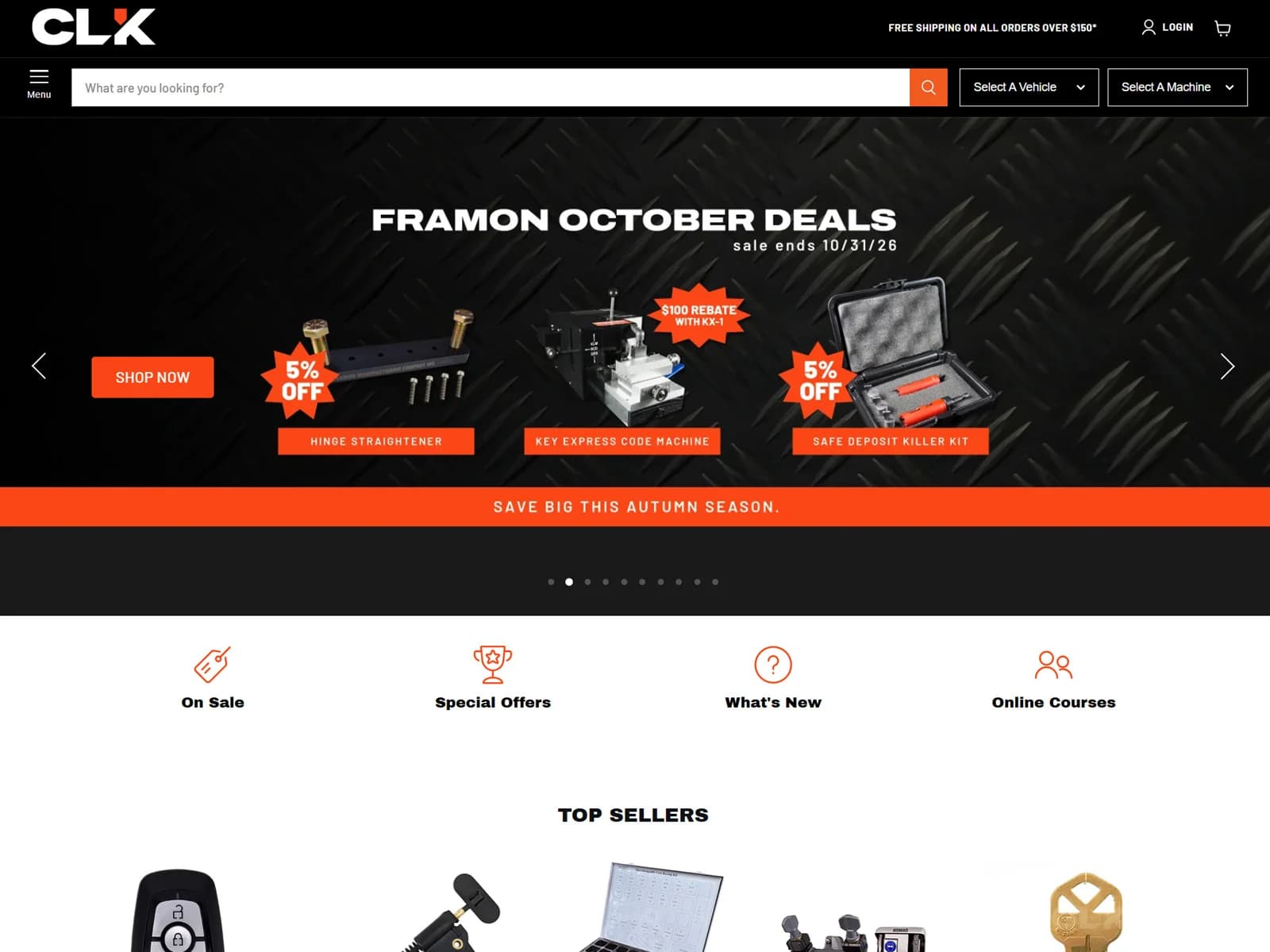
This case study examines the Shopify storefront experience for CLK Supplies, with emphasis on catalogue organisation, product identification and purchase context. It is prepared as the third project in the requested portfolio series; the detailed implementation scope has not been provided.
CLK Supplies serves a specialist locksmith market. Its public navigation groups key blanks, key machines, rekeying supplies, cylinders and hardware, and automotive products. Search and category routes provide different entrances into a broad technical range.
The challenge
Specialist shoppers often arrive with a specific requirement rather than an open-ended browsing goal. A key type, manufacturer reference or pack format can matter more than a promotional headline. The storefront needs to organise technical information without making the catalogue feel impenetrable.
The design challenge is relevance: help visitors narrow their search while retaining the product identifiers that distinguish one item from another. Clear category language and meaningful product titles give the information structure a practical role.
The solution and shopping experience
The case study frames the storefront around a progression from category to product identification and purchase information. This is an analysis of the public shopping experience, not a claim that every visible feature was built by the project team. A specific delivery statement can be added when the implementation scope is confirmed.
Public product context
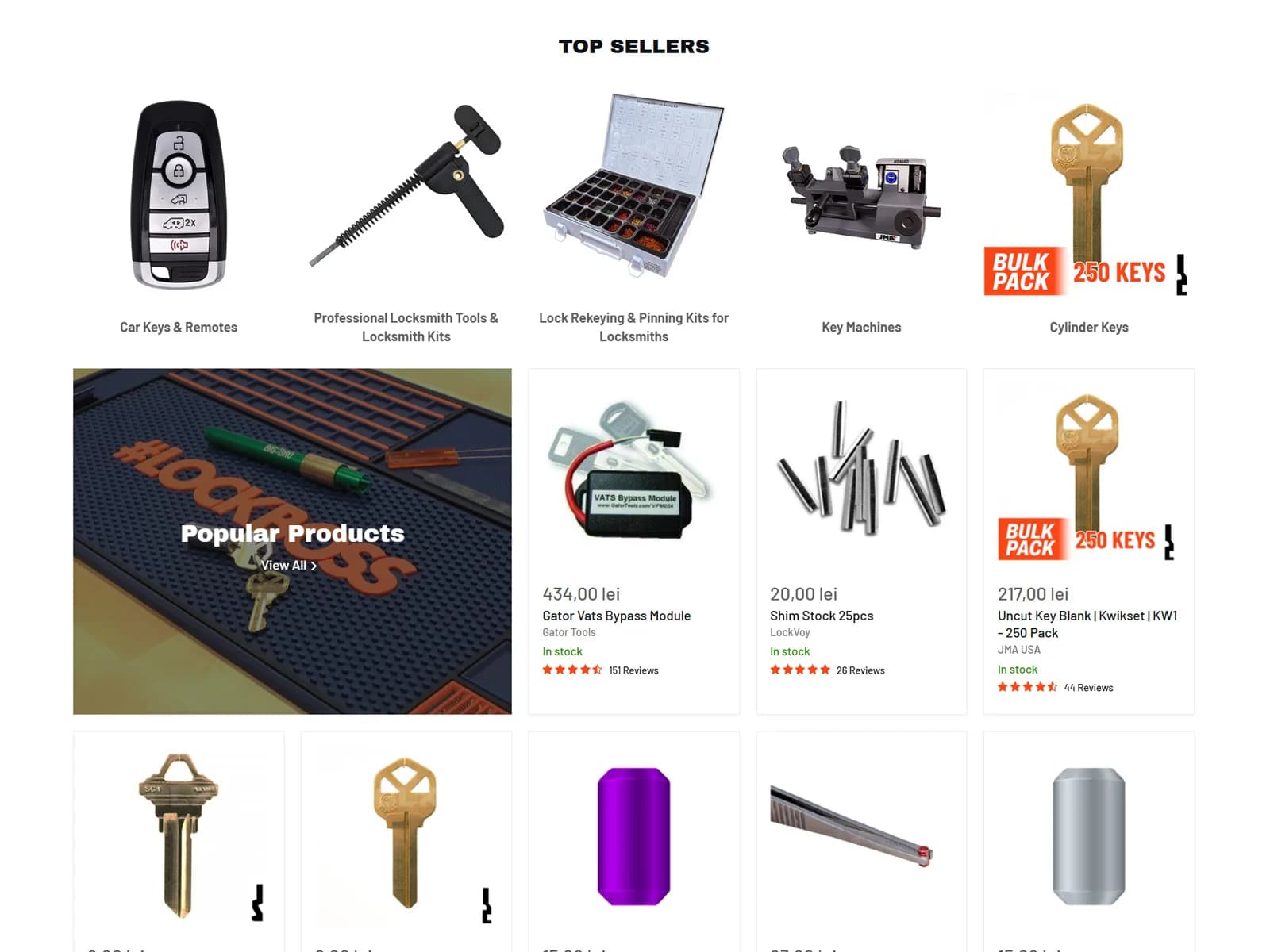
The reviewed product route identifies an uncut Kwikset KW1 key blank in a 250-pack format. The homepage also shows product listings with names, vendor labels, prices, stock status and links to full details. This makes product identification central to the commerce narrative.
Functional model
The following model explains the project problem and shopping roles. It is not a screenshot, verified implementation specification or test result.
Category route
Start with the relevant family of supplies or equipment
Product identification
Read the key reference, item name and pack format
Listing information
Review vendor, price and availability where displayed
Detail and purchase
Continue to the item page and purchase context
Why the structure matters
A technical catalogue benefits from consistent product records. When a title and listing communicate the distinguishing reference, the customer has a clearer basis for deciding which item deserves closer inspection. This is a usability interpretation, not evidence of improved search accuracy or reduced support demand.
Outcome and project perspective
The observable storefront provides several routes into a specialist catalogue and exposes product information at listing level. Those are useful characteristics to document. Without a supplied task list or build records, the case study does not assign ownership of search tools, integrations or catalogue features to the project team.
Catalogue structure
Specialist product families organise navigation
Product identification
Names retain technical references and pack context
Purchase information
Listings surface price and stock information
Delivery status
Detailed project contribution awaits confirmation
Closing perspective
For a specialist supplier, useful design makes product information easier to navigate and compare. The strongest final portfolio version will pair this storefront analysis with the exact work completed by the project team.
Scope and evidence
The user identified this as a Shopify project but did not specify the work completed. Design, development, migration, search implementation, integrations and custom app work are therefore not asserted as delivered tasks. No performance or business-impact metrics are claimed.
Public references
Storefront
https://clksupplies.com/
Kwikset KW1 250 Pack
https://clksupplies.com/products/250-pack-kw1
Public pages reviewed 17 October 2026. No revenue, conversion, ranking, speed or delivery-time results were supplied. Public page features may change.
Design & build
We designed and developed a polished Shopify storefront that balances modern fashion aesthetics with practical B2B functionality. The build brings together product collections, brand discovery, seasonal lookbooks, wholesale information, account registration, and responsive product browsing into a cohesive e-commerce experience.
A wholesale-first customer journey
The website supports a journey that is different from a typical DTC store:
Discover
Introduce the Jen & Co. brand, product categories, collections, and wholesale proposition.
Explore
Allow retailers to browse handbags, accessories, apparel, brands, best sellers, and seasonal collections.
Understand
Make wholesale requirements, policies, minimums, shipping information, and customer expectations accessible.
Register
Collect the business information required to establish a wholesale account.
Get approved
Move prospective buyers through the wholesale application process.
Shop
Give approved customers access to the wholesale catalog and purchasing experience.
This journey became an important part of the storefront architectur
The Result
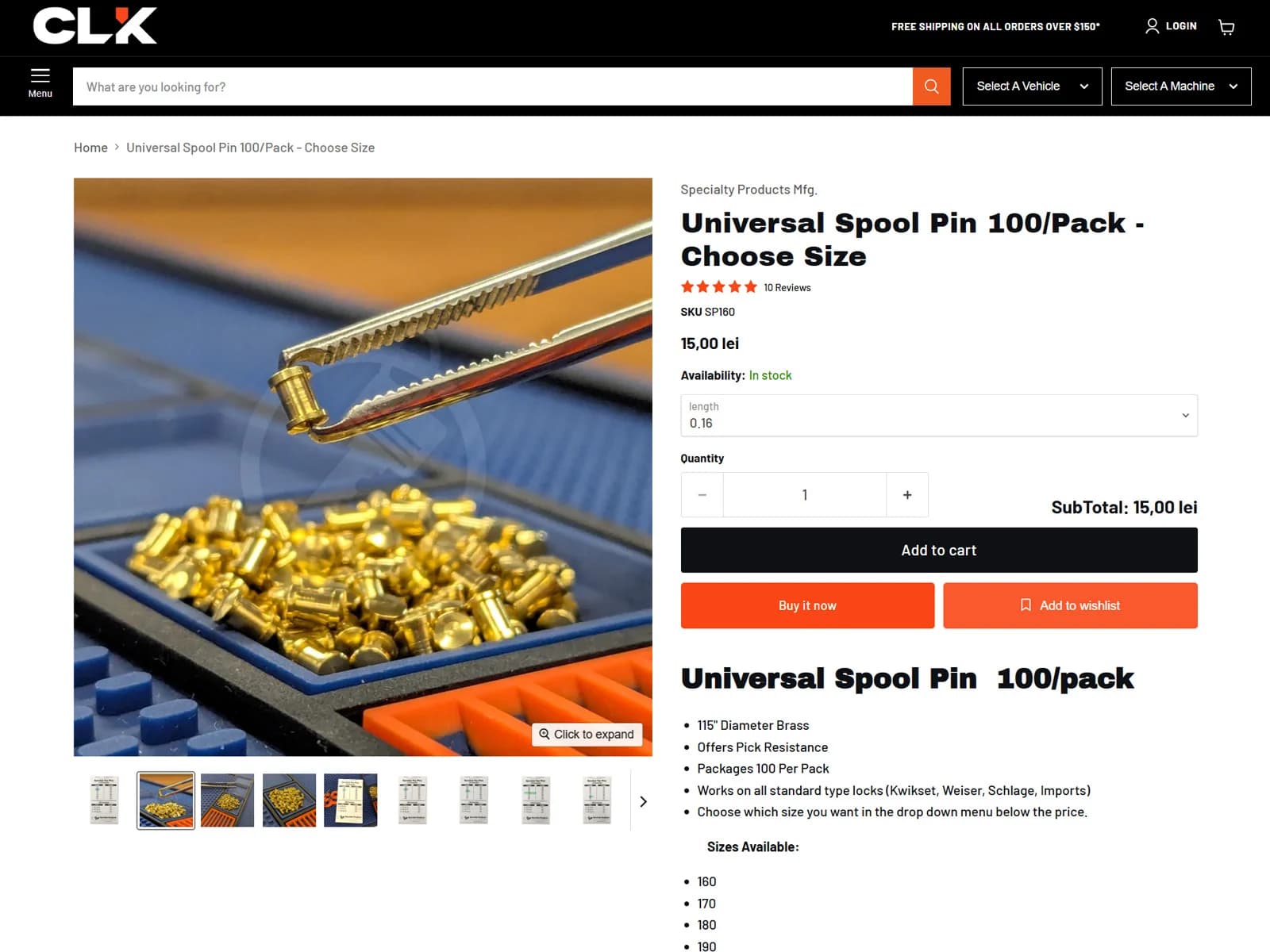
The finished storefront provides Jen & Co. with a structured B2B e-commerce experience where brand storytelling, product discovery, wholesale qualification, and purchasing work together seamlessly.
Services: Shopify Development · E-commerce · UX
Industry: Wholesale Fashion & Accessories
Platform: Shopify
Public website: https://clksupplies.com/
CLK Supplies Case Study
Bring design, Shopify development and content together with 1Dot Digital.