Built Beyond Templates
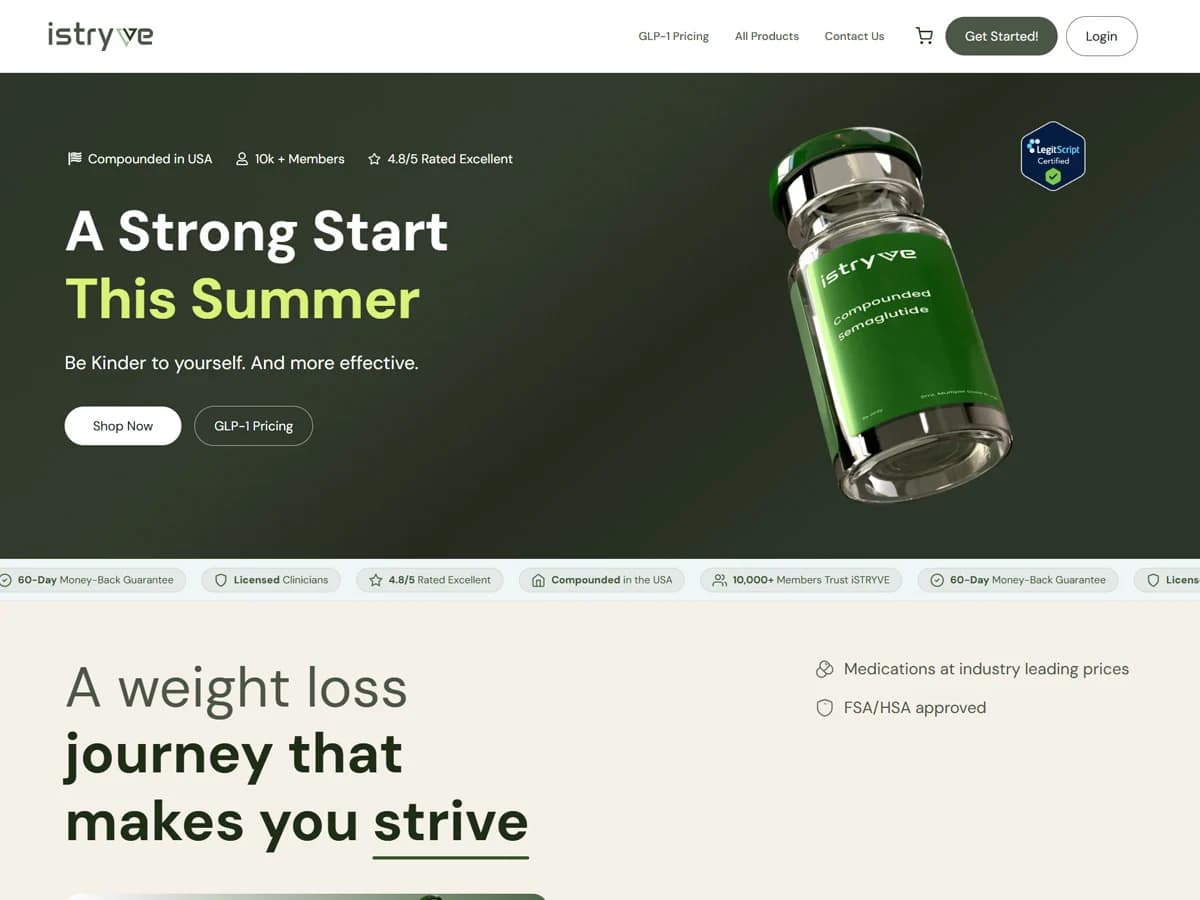
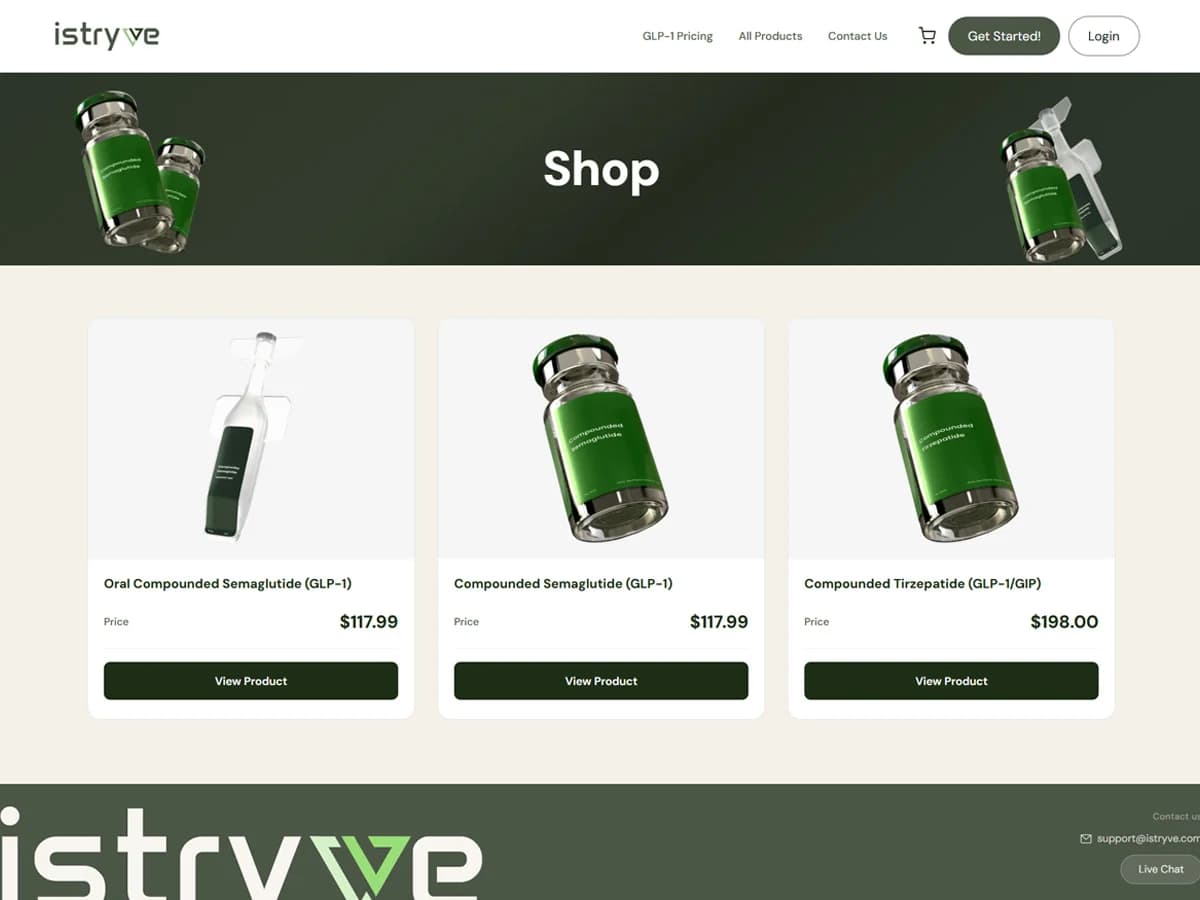
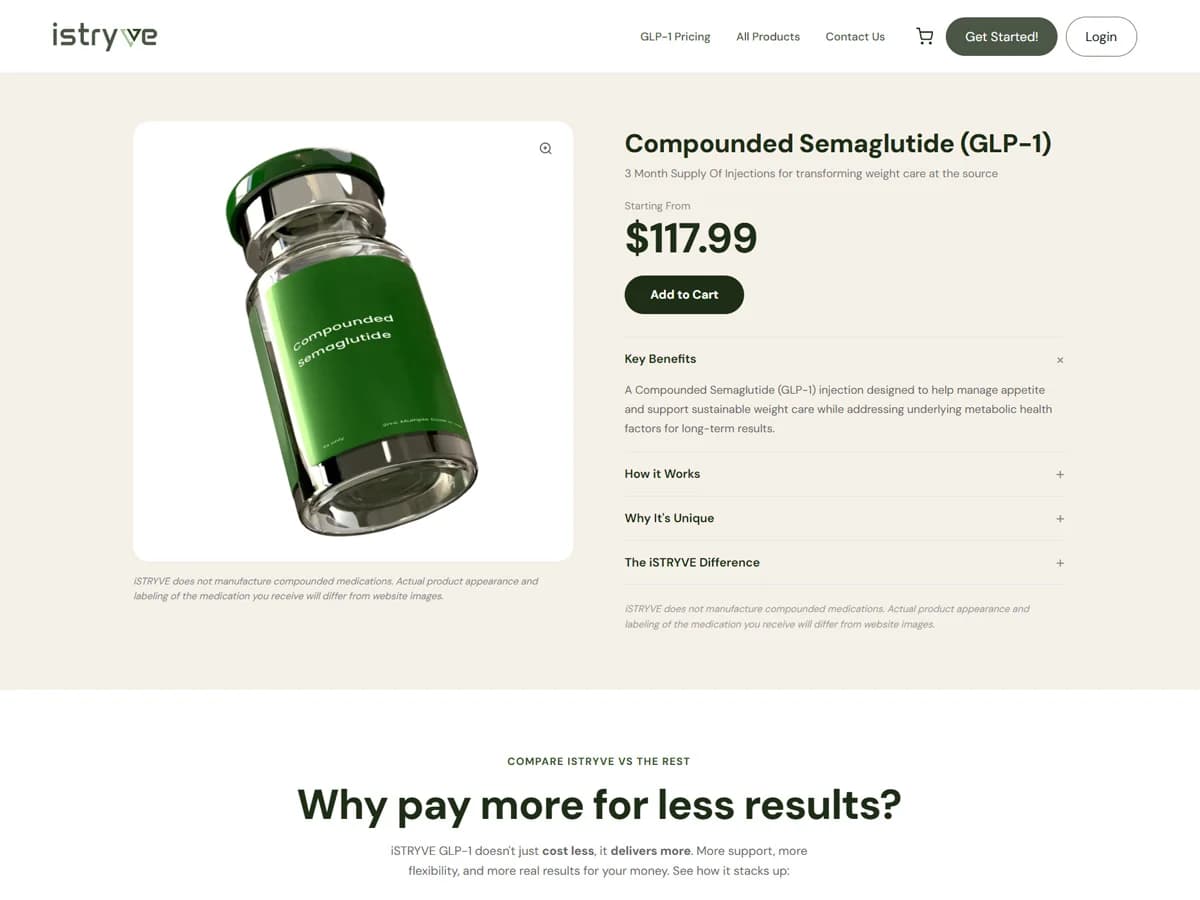
The live website could not be retrieved during review. Its pages, integrations and performance remain unverified. This document includes a conceptual architecture illustration rather than actual website screenshots.
Project overview
The iStryve project centres on a Headless WordPress architecture: WordPress manages content while a separate frontend handles presentation. This separates publishing from the visitor interface and allows each layer to evolve independently.
The intended project value is a familiar content management environment paired with independently developed website pages. Specific delivery features need confirmation from project records before publication.
Challenge
The main architectural challenge is keeping two independent systems working as one website. Content must have an organised structure in WordPress, and the frontend must retrieve and display it reliably.
Routing, metadata, previews, missing content and publishing behaviour require explicit implementation. Their presence cannot be assumed simply because WordPress is used.
Project objectives
Retain WordPress as the publishing environment while giving the frontend independence. Editors need manageable content, visitors need an understandable interface, and developers need a maintainable connection between both.
These are architectural objectives rather than measured results. The final website and editorial workflow should demonstrate how they were met.
Approach
Content management: organise information in WordPress so editors understand the role of each field and content entry.
Content delivery: connect the CMS to the frontend through an API. The actual API method, authentication requirements and refresh behaviour are not yet confirmed.
Frontend presentation: translate content into consistent pages and navigation. The framework and rendering method should be identified from implementation records.
Editorial workflow
Content modelling defines how titles, descriptions, images and reusable information are maintained. A clear model supports consistent presentation without asking editors to manage layout code.
Draft previews, incomplete entries and missing media also need consideration. The final case study should describe the actual editable fields and publishing process rather than assuming a particular workflow.
Frontend development
An independent frontend can use reusable components and page-specific layouts. Its implementation must account for loading states, unavailable content and invalid URLs.
The actual framework, custom components and deployment architecture have not been verified. These details should be added with screenshots or confirmed delivery records.
Search visibility and technical delivery
Headless architecture does not automatically establish SEO quality. The frontend must expose useful content and implement page titles, meta descriptions, canonical URLs, indexing controls and sitemap behaviour where required.
These are technical considerations, not confirmed iStryve deliverables. Any SEO attribution should match the project scope and implementation evidence.
Results
The supplied project direction separates WordPress content management from frontend presentation. This provides an architectural basis for independent interface development while retaining WordPress for publishing.
Actual results should be demonstrated through delivered pages, CMS examples and publishing behaviour. No traffic, conversion, loading-speed or ranking gains are claimed because supporting measurements were not provided.
Ready to build a better store?
Tell us about your business, current platform and goals. We'll recommend the right path and send a scoped quote.